Orthopaedic Foot & Ankle Specialist in Bristol

Orthopaedic Foot & Ankle Specialist in Bristol

Foot and ankle problems can gradually limit movement, independence, and quality of life if left untreated. In Bristol, patients have access to consultant-led orthopaedic care focused exclusively on foot and ankle conditions, with an emphasis on accurate diagnosis, appropriate treatment, and long-term outcomes.

Each consultation is led by a specialist who takes time to understand how symptoms began and how they affect everyday activities such as walking, working, or exercise. Care is guided by detailed clinical assessment rather than assumptions, ensuring treatment addresses the underlying cause of the problem. Where clinically appropriate, minimally invasive techniques are considered to reduce tissue disruption and support recovery.

Patients in Bristol are supported with clear, honest guidance throughout their care. Non-surgical options are explored first, and surgery is recommended only when it is likely to provide meaningful and lasting benefit. The aim is to restore mobility, relieve pain, and help patients return to daily life with confidence and clarity.

Book a consultation in Bristol to receive specialist-led advice and a structured approach to foot and ankle care.

Compare Before & After Result

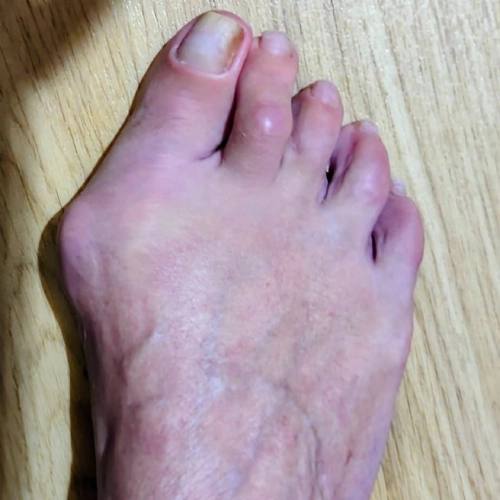
If you suffer with stubborn bunions, misaligned toes, agonising ankle arthritis or persistent
heel pain  don’t hesitate to consult with Mr Akimau.

Before
procedures

big-toe-arthritis-1024x662 (1) (1)big-toe-arthritis-1024x662 (2) (1)

After
procedures

Why Choose a Specialist
Foot & Ankle Surgeon in Bristol

Personalised, Transparent Care

Each patient’s condition, lifestyle, and goals are different. Treatment plans are tailored accordingly, with clear explanations of available options, expected outcomes, and recovery timelines. This ensures patients can make informed decisions with confidence and without pressure.

Foot & Ankle Conditions Treated in Bristol

Foot and ankle conditions can develop due to injury, overuse, structural imbalance, or age-related changes. In Bristol, care is focused on identifying the underlying cause of symptoms through careful assessment, rather than treating pain alone. This approach helps ensure treatment decisions are appropriate, effective, and sustainable.

Forefoot & Toe Conditions

Problems affecting the front of the foot can interfere with walking, footwear comfort, and balance. Commonly assessed forefoot conditions include:

Management is guided by symptom severity, progression, and the impact on daily activities.

Heel & Achilles Conditions

Heel and Achilles pain can become persistent if not managed correctly. Conditions commonly evaluated include:

Both non-surgical and surgical options are considered depending on the condition and response to previous treatment.

Ankle Conditions

Ankle problems can affect stability, confidence in movement, and long-term joint health. Assessment commonly includes:

Accurate diagnosis is essential to guide appropriate treatment and protect joint function.

Structural & Alignment-Related Foot Problems

Structural abnormalities can place uneven stress on joints and soft tissues over time. These may include:

Treatment planning focuses on improving alignment, function, and long-term comfort.

Sports & Activity-Related Injuries

Foot and ankle injuries related to sport or physical activity are assessed with attention to both recovery and prevention. The aim is to support a safe return to activity while reducing the risk of recurrence.

Treatments & Procedures Available in Bristol

Treatment in Bristol is guided by careful diagnosis, clinical evidence, and a clear understanding of how each condition affects daily life. The approach prioritises effective care with the least invasive option wherever possible, with surgery recommended only when it is likely to provide meaningful, lasting benefit.

Non-Surgical Treatment Options

Many foot and ankle conditions can be managed without surgery, particularly when identified early. Depending on the diagnosis, treatment may include:

These options aim to reduce pain, restore function, and prevent further deterioration.

Minimally Invasive Foot Surgery

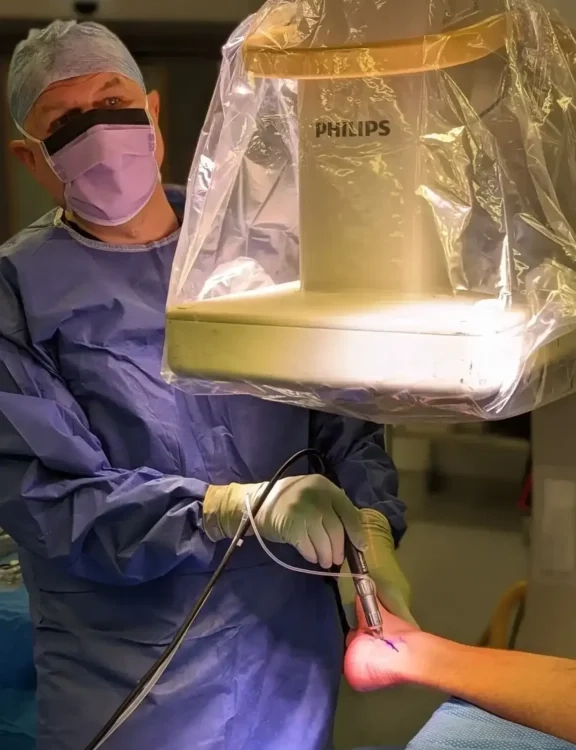
When surgery is necessary, minimally invasive techniques may be suitable for certain conditions. These procedures involve smaller incisions and specialised methods designed to limit disruption to surrounding tissues. Common indications include:

Suitability is assessed on an individual basis and discussed in detail during consultation.

Ankle Arthroscopy (Keyhole Surgery)

Ankle arthroscopy allows precise assessment and treatment of specific ankle problems using small instruments and a camera. This technique may be used for:

This approach can allow targeted treatment while minimising soft tissue trauma.

Ankle Arthritis & Advanced Treatment Options

Management of ankle arthritis depends on severity, lifestyle, and long-term goals. Options may include:

The emphasis is on maintaining mobility and improving quality of life.

Informed, Individualised Decision-Making

All treatment recommendations are made following clear discussion of:

Patients are supported in making informed decisions without pressure, with care plans tailored to individual needs and circumstances.

Your Consultation & Treatment Journey in Bristol

Care in Bristol follows a structured and transparent process, designed to help patients understand their condition clearly and make informed decisions at every stage. The emphasis is on careful assessment, appropriate treatment, and long-term improvement rather than rushed solutions.

Initial Specialist Consultation

Your first appointment is led by a consultant specialising exclusively in foot and ankle conditions. Time is taken to discuss:

A detailed physical examination helps assess movement, alignment, strength, and areas of pain or instability.

Diagnostic Assessment

Where needed, imaging such as X-rays or MRI scans is reviewed alongside clinical findings. This combined approach helps confirm the diagnosis and ensures treatment planning is based on both symptoms and underlying structural or mechanical issues.

Treatment Discussion & Planning

All suitable treatment options are explained clearly and honestly. This may include non-surgical management, minimally invasive procedures, or surgery where appropriate. The discussion covers:

Patients are encouraged to ask questions and take time to consider their options before proceeding.

Treatment & Aftercare

If treatment is undertaken, care is delivered with a focus on safety, precision, and comfort. Clear guidance is provided on activity levels, rehabilitation, and what to expect during recovery, helping patients feel prepared and supported.

Follow-Up & Ongoing Support

Follow-up appointments are arranged to monitor progress, address concerns, and adjust recovery plans if needed. The goal is to support safe healing and help patients return confidently to everyday activities, work, or sport.

About Me

Meet Mr. Pavel Akimau

Trauma & Orthopaedic Surgeon

Mr Akimau has been working as a Consultant Orthopaedic Surgeon at University Hospitals of North Staffordshire NHS Trust since 2021. Patients’ wellbeing and genuine willingness to help has always been Mr Akimau top priority. He has got a high calibre expertise in full spectrum of elective and traumatic Foot and Ankle conditions as well as general trauma.

Frequently Asked Questions – Bristol

A GP referral is not required for private consultations in Bristol. Patients can book directly. If you are using private medical insurance or attending via the NHS, a referral letter may be required depending on your provider.

Consultations cover a wide range of foot and ankle problems, including bunions, arthritis, heel pain, Achilles tendon issues, ankle instability, and sports-related injuries. Each assessment focuses on identifying the underlying cause of symptoms rather than providing temporary relief alone.
No. Non-surgical treatment options are always considered first where appropriate. Surgery is recommended only when conservative measures are unlikely to provide sufficient improvement and when the potential benefits clearly outweigh the risks.

Minimally invasive surgery uses smaller incisions and specialised techniques designed to reduce disruption to surrounding tissues. When suitable, this approach may support a smoother recovery, but it is not appropriate for every condition. Suitability is assessed during consultation.

Recovery time depends on the condition and type of treatment. Non-surgical care may allow a quicker return to normal activities, while surgical procedures require a structured recovery period. Clear guidance on recovery timelines is provided before any treatment begins.

Imaging is recommended only when clinically necessary. Existing scans can be reviewed, or new imaging may be arranged to support accurate diagnosis and treatment planning.

Yes. Follow-up appointments are an important part of care. These visits allow progress to be monitored, concerns to be addressed, and recovery plans to be adjusted if needed.

Absolutely. Consultations are designed to provide clarity and guidance. You do not need to decide on treatment in advance — the focus is on understanding your condition and discussing appropriate options.