By Mr Pavel Akimau, Consultant Trauma and Orthopaedic Surgeon. MBBS, PhD, FRCS (Tr & Orth). GMC 6100148. University Hospitals of North Midlands NHS Foundation Trust.
If you have heel or calf pain that has been creeping up on you for weeks, especially the first few steps out of bed in the morning, there is a fair chance you are dealing with Achilles tendinopathy. I see this condition in clinic almost every week. Runners get it. People in their fifties and sixties get it. People who have never run a day in their life get it too. The good news is that most cases settle without surgery if you treat them properly. The less good news is that “properly” usually means several months of consistent work, and the longer you wait the harder it becomes.
I am a consultant foot and ankle surgeon based in Staffordshire, with private clinics in Cheltenham and Bristol. I have spent more than eight years specialising in this part of the body, and Achilles tendon problems are one of the most common reasons people come to see me. This guide is the same explanation I give my patients in clinic, written out properly. It covers what Achilles tendinopathy actually is, how it is treated in 2026 in the UK, the difference between midportion and insertional disease, when surgery is genuinely needed, and what to do if the tendon has ruptured rather than just degenerated.
This article is for information only. It is not a substitute for a face-to-face consultation. If you have severe pain, sudden onset pain after a snap or pop, or you cannot bear weight, please seek urgent medical advice.
What this guide covers
- What Achilles tendinopathy actually is
- Midportion versus insertional disease , why the distinction matters
- First-line Achilles tendinopathy treatment: what works, what does not
- Insertional Achilles tendinopathy treatment in detail
- Injections and shockwave, my honest view
- When surgery is the right answer
- Minimally invasive surgery for stubborn cases
- Achilles tendon rupture treatment, a different problem
- Recovery, return to running, and realistic timelines
- Frequently asked questions
What Achilles tendinopathy actually is
The Achilles is the thickest, strongest tendon in your body. It connects the calf muscles to the heel bone and it can handle loads of around twelve times your body weight when you push off into a sprint. That is a remarkable bit of biological engineering, and it is also why the tendon takes punishment over a lifetime.
Tendinopathy is the modern name for what most people still call tendonitis. The change in language matters because it reflects a change in our understanding of the problem. When we look at a painful Achilles under the microscope or on an MRI scan, we usually do not find the classic signs of inflammation that the word “tendonitis” implies. What we find is degeneration disorganised collagen fibres, thickening of the tendon, abnormal blood vessel growth, and nerve fibres growing into areas where they do not belong. That is why treating it as if it were a simple inflammation, with rest and anti-inflammatories alone, so often fails.
Around one in four endurance athletes will develop Achilles tendinopathy at some point in their career, and the lifetime risk in the general population is roughly 6%. It is more common in men over fifty, in people with diabetes, in those taking certain antibiotics (the fluoroquinolone group) and in patients on long-term steroids.
Midportion versus insertional – why the distinction matters
The single most important thing to understand about Achilles tendinopathy treatment is that there are two different problems sharing the same name, and they need different treatment plans.
Midportion (or non-insertional) tendinopathy
This is the more common variety, and it affects the body of the tendon about two to six centimetres above where it joins the heel bone. The tendon often feels thickened to touch, tender when you squeeze it, and painful first thing in the morning. It tends to ease with warm-up activity and worsen again afterwards. Midportion disease responds well to a properly delivered loading programme we will come to that in a moment and most patients do not need surgery.
Insertional tendinopathy
This affects the very bottom of the tendon, right where it inserts onto the back of the heel bone. It is often associated with a bony lump (Haglund’s deformity, sometimes called a pump bump) and with bursitis behind the heel. It is more stubborn than midportion disease for two reasons. First, the underlying problem often includes a mechanical issue a bony prominence digging into the tendon every step you take. Second, the standard loading exercises that work so well for midportion disease can actually make insertional tendinopathy worse if they are not modified.
This is why I always want to know which type of disease a patient has before I commit them to a treatment plan. An MRI or an ultrasound scan answers the question quickly, and it changes what comes next.
First-line Achilles tendinopathy treatment: what works
In almost every case, treatment starts with something boring and unglamorous a structured loading programme. Boring it may be, but the evidence behind it is genuinely strong, and it is the single most effective thing most people can do for this condition.
The loading programme (eccentric or heavy slow resistance)
The original protocol was described by a Swedish researcher, Håkan Alfredson, in the late 1990s. The principle is simple: you load the tendon in a controlled, progressive way, and over several months the tendon remodels itself. Healthy collagen replaces the disorganised tissue, and the pain settles.
In its classical form the Alfredson protocol involves three sets of fifteen eccentric heel-drop exercises, performed twice a day, every day, for twelve weeks. You stand on the edge of a step, raise yourself up on both feet, then slowly lower yourself on the painful side. “Eccentric” means the muscle is lengthening under load, which is the part that does the work on the tendon. More recent evidence supports a heavy slow resistance approach fewer repetitions, heavier weight, slower tempo with similar or better results.
Two practical points patients often miss. The first is that some discomfort during the exercise is allowed and even expected; pain up to four or five out of ten is acceptable, as long as it settles back to baseline within twenty-four hours. The second is that consistency matters more than intensity. People who do the programme three times a week half-heartedly tend to do worse than people who commit to doing it properly every day. This is the single biggest predictor of success that I see in clinic.
Activity modification, not rest
Complete rest is almost never the right answer. The tendon needs load to heal it just needs the right kind of load. I usually ask patients to stop or significantly reduce the activity that flared the tendon (most often running, hill walking, or sudden returns to sport after a winter off), keep walking and cross-training, and protect the tendon while it remodels. Cycling and swimming are usually fine. Hill running is usually not.
Footwear and a small heel raise
A modest heel raise inside the shoe around 9 to 12 millimetres reduces the load through the tendon and helps with day-to-day pain, especially in insertional disease. It is a small intervention with no downside, and it can buy a patient comfort while the loading programme does the longer-term work. Drop-zero or barefoot shoes, on the other hand, are usually the wrong choice during an active Achilles flare.
What about anti-inflammatories?
Short courses of ibuprofen or naproxen can help with the acute, painful flare the first week or two when even walking hurts. They will not heal the tendon, and taking them long-term may actually impair tendon healing by suppressing the body’s repair signals. I prescribe them sparingly and only for short, defined periods.
Insertional Achilles tendinopathy treatment: where it gets harder
If you have searched for insertional Achilles tendinopathy treatment, you have probably already discovered that the standard advice for Achilles pain does not always work for this version of the disease. There are three reasons.
- The mechanical problem. If there is a Haglund’s lump pressing on the tendon every step, no amount of loading will fix that anatomy on its own.
- The exercise modification. Classic Alfredson heel-drops, dropping the heel below the level of the step, compress the diseased insertion against the bone and can worsen the pain. I ask insertional patients to do the exercise on flat ground rather than off a step, at least initially.
- Bursitis. The retrocalcaneal bursa, a small fluid-filled sac between the tendon and the bone, often gets inflamed alongside the tendinopathy. That bursa pain feels exactly like tendon pain to a patient, and it muddies the picture.
For insertional disease the first-line plan is still conservative: a modified loading programme, a heel raise, footwear with a closed soft heel counter (no rigid shoes pressing on the back of the heel), and patience for at least three to six months before considering anything more invasive. Shockwave therapy has reasonable evidence here and is often worth a try before surgery.
Injections and shockwave therapy: my honest view
Steroid injections
I do not inject steroid directly into the Achilles tendon. The evidence is clear that doing so increases the risk of the tendon rupturing, and the short-term pain relief is not worth that trade-off. A carefully placed steroid injection into the retrocalcaneal bursa, separate from the tendon itself, is a different matter it can be useful in insertional disease where bursitis is the main pain driver, and I will sometimes recommend it under ultrasound guidance. The decision should be made by someone who does these injections regularly, not as a blind injection in a generalist setting.
Platelet-rich plasma (PRP)
PRP involves taking a sample of your own blood, concentrating the platelets, and injecting that concentrate into the diseased part of the tendon. The theory is that the growth factors in the platelets help kick-start tendon healing. The evidence is genuinely mixed. Some studies show benefit, others show no difference compared to a placebo injection. I discuss it honestly with patients: it is not a magic bullet, it is not cheap, and I will not promise it will work. In a select group of patients who have failed conservative treatment and want to try something before considering surgery, it is a reasonable option.
Extracorporeal shockwave therapy (ESWT)
Shockwave is a focused acoustic pulse delivered through the skin, applied across several sessions over a few weeks. The evidence is best in insertional Achilles tendinopathy and plantar fasciitis. It is non-invasive, well tolerated, and the main side effect is a few days of bruising or soreness. I refer patients for shockwave fairly often. It is not a substitute for the loading programme the two work best together but it can be the thing that tips a stubborn case into recovery.
When surgery is the right answer
Most people do not need surgery for Achilles tendinopathy. The figure I quote in clinic is that around 70–80% of patients improve substantially with conservative treatment alone, given enough time. Of the remainder, some find their pain at a level they can live with and decide against surgery; some opt to push on and have an operation.
Surgery becomes a real conversation in three situations:
- Symptoms have persisted for more than six months despite a properly delivered loading programme, footwear changes, and at least one adjunct treatment such as shockwave or PRP.
- Imaging shows a large area of tendon degeneration, a significant Haglund’s deformity, or partial tearing within the tendon.
- The pain is significantly affecting work, sleep or quality of life, and the patient understands the trade-offs involved in an operation.
That last point matters. Achilles surgery is not a quick fix. The recovery is slow measured in months, not weeks and the complication rate of the traditional open approach is not trivial. This is the reason I have spent so much of my career learning and introducing minimally invasive techniques to this region.
Minimally invasive surgery for stubborn Achilles cases
The traditional operation for insertional Achilles tendinopathy involves a long incision down the back of the heel, peeling the tendon off the bone, shaving off the bony prominence, removing the diseased tendon tissue, and then reattaching the tendon to the bone. It can work well, but it has two real drawbacks. The first is the recovery patients are typically non-weight-bearing for several weeks and the tendon takes the best part of a year to feel normal. The second is the soft-tissue risk. The skin at the back of the heel has a poor blood supply, and wound healing problems are reported in around 10–20% of cases in published series. When the wound fails it can be a difficult thing to fix.
Over the past few years I have introduced two minimally invasive alternatives to the North Midlands region, and they have changed the conversation for a lot of my patients.
Endoscopic calcaneoplasty (telescope-assisted Haglund’s resection)
Through two tiny incisions either side of the Achilles tendon, I use a small camera (about 4 mm across) and miniature instruments to see and remove the offending bony lump. The tendon itself is not detached. There is no large wound. Patients are usually able to walk on the heel from day one, in a protective boot for comfort, and the wound healing problems of the open operation are largely avoided. In the right patient a Haglund’s lump as the dominant problem, without huge degeneration inside the tendon itself this technique has shown success rates around 80% in published series, comparable to the open operation but with a much easier recovery. I am one of relatively few surgeons in the UK performing this procedure on a regular basis.
Minimally invasive Zadek’s osteotomy
Zadek’s osteotomy is an older procedure that has had a genuine renaissance because it can now be done through tiny incisions using high-speed burrs rather than open exposure. Instead of removing the diseased part of the tendon, we make a wedge-shaped cut in the heel bone itself, which tilts the bone forward and lifts the bony prominence away from the back of the tendon. Mechanically, it relieves the pressure on the tendon and gives the diseased tissue a chance to settle. Patients walk straight away in a special boot for about four weeks. The success rate in appropriately selected patients is high and the soft-tissue complication rate is very low. For a particular group of patients active people who do not want a long recovery, with insertional disease driven by a tight or unfavourable heel bone shape this is often the procedure I will recommend first.
Gastrocnemius recession for stubborn midportion disease
Some patients with persistent midportion tendinopathy turn out to have an unusually tight calf muscle complex specifically the gastrocnemius portion. Releasing a small amount of the muscle higher up, behind the knee, takes the chronic pull off the Achilles and allows it to heal. This is a day-case operation through a small incision. Recovery is quicker than any Achilles operation, and in the small group of patients where calf tightness is the underlying driver it has a success rate of around 95% in published series for related conditions. I offer it to a carefully selected group.
None of these operations is a default. The right operation depends on the imaging, the pattern of disease, the patient’s goals and their tolerance of recovery. I spend the first consultation working that out, not pushing one technique.
Achilles tendon rupture treatment: a different problem
Achilles tendinopathy and Achilles tendon rupture are sometimes confused, and they should not be. They are related conditions in the sense that a degenerated tendon is more likely to rupture, but the treatment is completely different and the urgency is completely different.
A rupture is a sudden event. Most patients describe a sharp pain at the back of the ankle, sometimes a feeling of being kicked from behind, and often an audible snap or pop. After that they cannot push off the ground properly on that foot climbing stairs, going up on tiptoe, or accelerating into a run becomes impossible. A simple bedside test (the Simmonds-Thompson squeeze test) usually confirms the diagnosis within seconds.
Achilles tendon rupture treatment has changed significantly over the past decade and a half. Where it used to be a clear choice between surgery (lower re-rupture rate, higher complication rate) and conservative management (higher re-rupture rate, fewer complications), the modern approach uses a structured functional rehabilitation protocol in a specialist boot that gives results almost as good as surgery for most patients, without the operative risk.
Non-surgical (functional rehabilitation) treatment
The patient is placed in a fixed-angle boot with the foot pointed downwards, allowing the torn tendon ends to come together. Over the following 8 to 12 weeks the heel wedges inside the boot are gradually reduced, bringing the foot back up to neutral, while supervised physiotherapy progresses load and movement. Modern published trials show re-rupture rates of around 5%, which is genuinely comparable to surgical fixation.
Surgical repair
Surgery is still the right answer in some patients typically younger, very active patients (high-level athletes), patients with a delayed diagnosis where the tendon ends have retracted, or patients with re-rupture. The operation can be done open or, increasingly, with a percutaneous (keyhole) technique using a jig that captures the tendon ends through small skin incisions. Percutaneous repair carries a lower wound complication rate than the traditional open approach.
The most important thing about Achilles tendon rupture treatment is the timing of the decision. If you suspect a ruptured tendon, you need a foot and ankle assessment within days, not weeks. Late-presenting ruptures (more than two to three weeks old) are harder to treat and the outcomes are not as good. If a patient comes to me within a week of the injury, the full range of options is open. If they come at six weeks, the options narrow considerably.
If you suspect an Achilles rupture sudden pain at the back of the heel, an inability to push off, a feeling of being kicked from behind please attend A&E or a same-day urgent care service. Do not wait for a routine appointment. Early diagnosis genuinely changes outcomes.
Recovery and realistic timelines
This is the question I get asked more than any other in clinic, so I will be specific. These are the timelines I quote based on what I see in my own patients, not on best-case scenarios.
Conservative Achilles tendinopathy treatment
- Weeks 1–2: pain often worsens slightly as the loading programme starts. This is expected, not a sign that something is wrong.
- Weeks 4–6: morning stiffness usually starts to ease. Day-to-day walking should feel better.
- Weeks 8–12: most patients are noticing meaningful improvement. Some are back to gentle running by this point.
- Months 4–6: full return to sport for the patients who do the programme properly. Some take longer.
After minimally invasive Achilles surgery
- Day of surgery: walking in a protective boot, weight-bearing as comfortable.
- Weeks 2–4: out of the boot, into trainers.
- Weeks 6–8: gentle return to cross-training (cycling, swimming, elliptical).
- Months 3–4: gradual return to impact and running, under physiotherapy guidance.
- Months 6–9: most patients back to their pre-symptom level of activity.
After non-surgical Achilles tendon rupture treatment
- Weeks 0–10: fixed-angle boot with gradual heel wedge reduction. Walking permitted in the boot.
- Months 3–6: intensive physiotherapy to rebuild calf strength.
- Months 9–12: most patients back to full activity. The calf can take longer to fully recover its strength, sometimes up to two years.
Two things separate the patients who do well from the patients who do not. The first is consistent rehabilitation the people who attend every physiotherapy session and do the home programme. The second is realistic expectations. The Achilles tendon does not heal in a fortnight, no matter what treatment you choose. Anyone who promises otherwise is not being straight with you.
Frequently asked questions
How do I know if I have Achilles tendinopathy or just a sore Achilles?
The pattern that points to tendinopathy is morning stiffness in the first few steps after getting out of bed, a tendon that feels thickened or tender when you squeeze it, and pain that has been creeping up over weeks or months rather than appearing suddenly. A short-lived ache after a single hard run is unlikely to be tendinopathy. Pain that has been there for more than three to four weeks usually deserves a proper assessment.
What is the best treatment for insertional Achilles tendinopathy?
The best first-line insertional Achilles tendinopathy treatment is a modified loading programme calf raises performed on flat ground rather than dropped below the step combined with a heel raise inside the shoe, footwear changes, and at least three months of consistent effort. If symptoms persist, shockwave therapy is often the next step. Surgery is considered only after at least six months of properly delivered conservative care has failed, and the modern minimally invasive options have a much easier recovery than the traditional open operation.
Can Achilles tendinopathy be cured completely?
In most patients, yes. Around three quarters of people improve substantially with conservative treatment, and many return to full activity with no residual symptoms. A smaller group is left with a tendon that feels different from the other side perhaps slightly thicker, occasionally tender after long efforts but is functionally fine. A minority need surgery to settle the problem, and most of those do well.
How long until I can run again?
If conservative treatment is working, most patients can start a graded return to running between eight and twelve weeks into a properly delivered loading programme. If you have had surgery, expect to be cleared for impact between three and four months post-operation, with full return to your previous training load by six to nine months.
Is Achilles tendon rupture treatment always surgical?
No. Modern functional rehabilitation in a boot, supervised by a specialist team, gives results comparable to surgery for most patients with a fresh rupture. Surgery is still the right choice for some patients typically younger, high-level athletes or those with delayed presentation but it is no longer the automatic default.
Do steroid injections help Achilles tendinopathy?
Steroid injected into the body of the tendon raises the risk of tendon rupture and is something I avoid. A carefully placed injection into the retrocalcaneal bursa, separate from the tendon, can help insertional cases where bursitis is the dominant pain. It should be done under ultrasound guidance by someone experienced.
When should I see a foot and ankle surgeon rather than my GP?
Most cases of Achilles tendinopathy can and should be managed initially by a GP and a good physiotherapist. Referral to a specialist is reasonable if pain persists beyond three to six months despite a properly delivered loading programme, if symptoms are getting worse rather than better, if imaging suggests a large area of degeneration or a partial tear, or if you suspect a rupture (in which case the assessment is urgent, not routine).
Where can I be seen privately for an Achilles problem?
I run private foot and ankle clinics at Nuffield Health North Staffordshire Hospital in Newcastle-under-Lyme, Nuffield Health Cheltenham Hospital and North Bristol Private Hospital. Most major insurers Bupa, AXA, Aviva, Cigna, WPA, Allianz, Healix are accepted, and self-pay options are available. Appointments can be booked directly through the contact page on this website.
Speak to a specialist
If you have Achilles pain that has been around for more than a few weeks and is not settling, the worst thing you can do is keep training through it and hope. The earlier we get a proper diagnosis and start the right treatment plan, the better the outcome and the shorter the recovery. A consultation gives you an examination, an ultrasound or MRI if needed, an honest conversation about what is going on, and a written treatment plan you can take away with you.
I see patients privately in Staffordshire, Cheltenham and Bristol, and I am happy to discuss your case whether you have just developed symptoms or you have been managing them for years. Book a consultation through the contact page, or call the rooms directly.
About the author
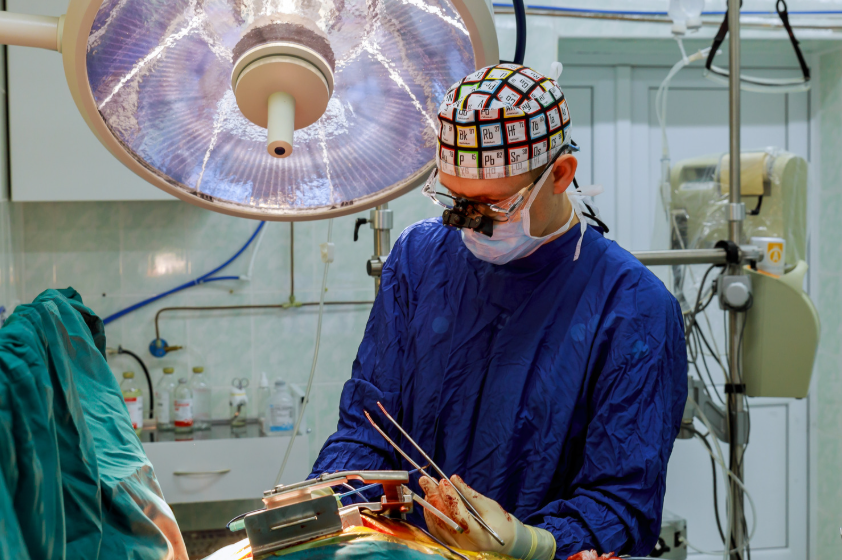
Mr Pavel Akimau is a Consultant Trauma and Orthopaedic Surgeon at University Hospitals of North Midlands NHS Foundation Trust, one of the busiest major trauma centres in the UK. He specialises in foot and ankle surgery, with a particular focus on minimally invasive techniques, and has introduced four MIS procedures to the North Midlands region. He holds an MBBS, a PhD in Medical Sciences from Osaka University, and completed his CCT in Trauma and Orthopaedics on the South Yorkshire rotation in 2016. He has been a consultant since 2021 and runs private clinics in Staffordshire, Cheltenham and Bristol.
GMC: 6100148. Member of the British Orthopaedic Foot and Ankle Society (BOFAS). Profiles: National Joint Registry, Nuffield Health, Bupa, Doctify.
References and further reading
- Alfredson H, et al. Heavy-load eccentric calf muscle training for the treatment of chronic Achilles tendinosis. Am J Sports Med, 1998.
- Beyer R, et al. Heavy slow resistance versus eccentric training as treatment for Achilles tendinopathy. Am J Sports Med, 2015.
- Willits K, et al. Operative versus nonoperative treatment of acute Achilles tendon ruptures. J Bone Joint Surg Am, 2010.
- Maffulli N, et al. Achilles tendinopathy: current treatment options. EFORT Open Reviews, 2020.
- British Orthopaedic Foot and Ankle Society (BOFAS) patient information.
- NICE Clinical Knowledge Summary: tendinopathy management in primary care.